What is Behavioral Design?
Trigger warning: This might trick your mind (on purpose).
Let’s be clear — Behavioral Design isn’t just about making things look good.
It’s the art of designing how people behave.
Subtle, powerful, a little manipulative… but all in the name of better experiences (and yes — more sales).
It’s about understanding how tiny visual cues — colors, words, placement — nudge users to act:
Click the button. Add to cart. Sign up. Scroll a little further than they planned.
How Does Behavioral Design Work?
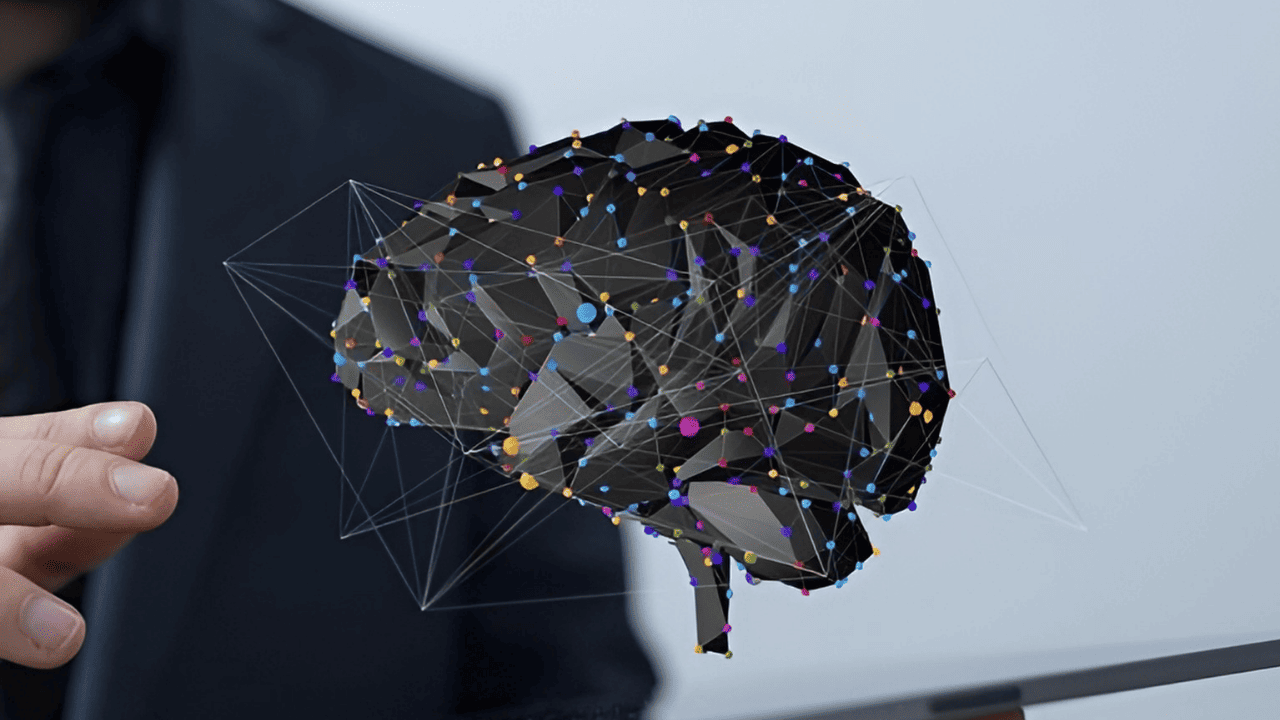
It taps straight into psychology — the part of the brain making decisions before your logical brain even shows up.
- Scarcity: “Only 3 left!” — Panic sets in.
- FOMO: “Your friend just bought this” — Must. Not. Miss. Out.
- Social proof: “4,582 people are viewing this” — Well, if they’re in, I’m in.
- Personalized stats: Because seeing your own name or data hits harder.
These behavioral triggers are everywhere — and they work because humans are predictably irrational.
Why Should You Care?
Because good design is nice, but behavioral design converts.
It turns passive scrollers into buyers, lurkers into subscribers, and “just browsing” into *checkout complete*.
But… you can’t slap these triggers everywhere. The magic happens when you:
- Know your audience
- Understand what makes them tick
- Tap into habits and biases
Wrap It Up — Design to Influence, Not Just Impress
Behavioral Design is where art meets psychology — designed for action, not just aesthetics.
Done right? Natural. Smooth. Effortless.
Done wrong? Pushy. Cheap. Desperate.
So next time you’re designing a flow, ask yourself:
What’s the behavior I want — and how do I guide them there without screaming “BUY NOW” in red caps?
Fueled by art. Backed by science. Designed to convert.
That’s Artfuel.
P.S. Need help weaving this magic into your site? You know where to find me.



No comment